




Filter products
Menopause
Menopause Must Haves
new Offer
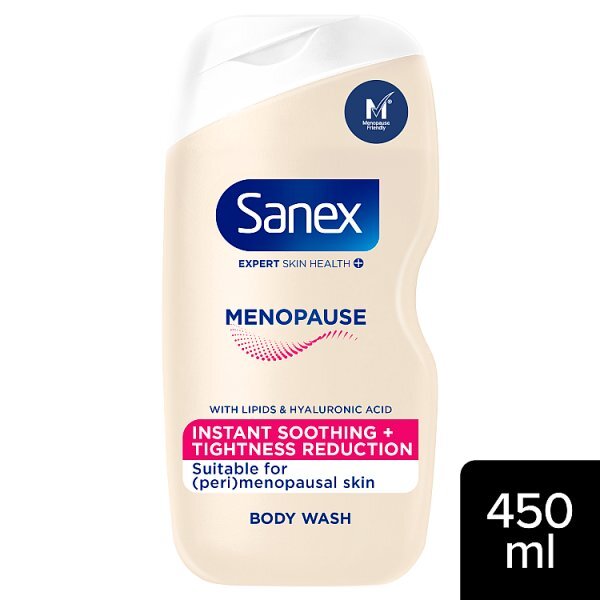
Sanex Expert Skin Health+ Menopause Body Wash 450Ml
Offer Save 1/3Save 1/3 on selected Sanex Learn More£3.66 Original price £5.49 each £12.20 per 1l Member Price £3.66 £1.83 £8.14 per 1lSign In
Sanex Derma Care+ Menopause Antiperspirant Spray 200Ml
Original price £3.19 each £159.50 per 1l 
Offer
Vitabiotics Menopace Plus 56 Tablets
Offer 3 for 23 for 2 on selected Vitamins Learn MoreOriginal price £17.29 each 31p each 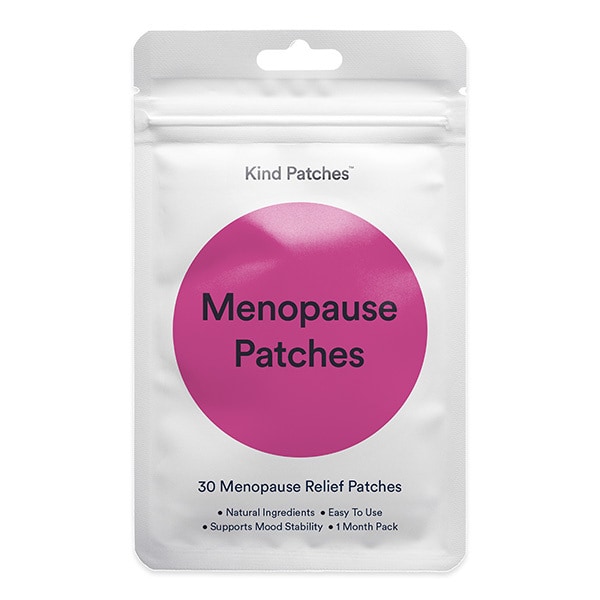
exclusive Offer
Kind Patches Menopause Patches
Offer 3 for 23 for 2 on selected Vitamins Learn MoreOriginal price £12.00 each 40p each 
Offer
Superdrug Perimenopause Multivitamins 30s
Offer 3 for 23 for 2 on selected Vitamins Learn MoreOriginal price £11.99 each £2.00 each 
Offer
A Vogel Menoforce - 30 Tablets
Offer 3 for 23 for 2 on selected Vitamins Learn MoreOriginal price £16.99 each 57p each 
vegan 100% money back guarantee B. Menopause Day Cream 50ml
Original price £3.75 each £75.00 per 1l  -50%
Offer
Menoplex Menopause Volumising Shampoo
Offer Save up to 1/2 price on selected Gift Sets!1/2 price on selected Charles Worthington Learn MoreDiscounted price £4.98 each Original price was £9.99 £9.99 £19.92 per 1l  -33%
Offer
B. Menopause Eye Cream 15ml
Offer Save 1/3Save 1/3 on selected B. Skincare Learn MoreDiscounted price £6.66 each Original price was £10.00 £10.00 £444.00 per 1l 
Menoplex Menopause Replenishing Mask
Original price £3.25 each £21.67 per 1l 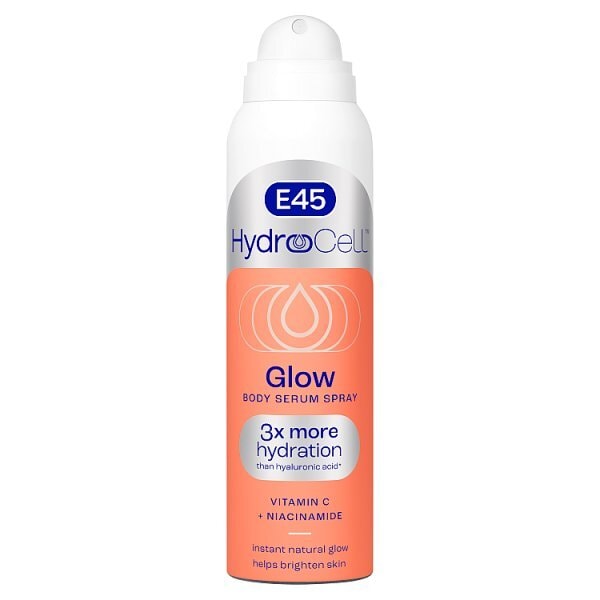
new E45 HydroCell Glow Body Serum Spray Vit C + Niacinamide 200ml
Original price £12.99 each £64.95 per 1l 
exclusive The 24H Eye Stick 880 1.4Gr
Original price £0.49 each £350.00 per 1kg  -33%
Offer
Mixa Multi-Use Balm Cica Multi-Use Recovery, 50ml
Offer Save 1/3Save 1/3 on selected MIXA Learn MoreDiscounted price £5.32 each Original price was £7.99 £7.99 £106.40 per 1l 
dermatologically approved Vichy Dercos Anti-Hair Loss Shampoo for Weak Hair and Sensitive Scalps 390ml
Original price £20.99 each £52.48 per 1l

Frequently Asked Questions
When does menopause start and what are the early signs?
The average age of menopause in the UK is 51, however the perimenopause can start some years before this with a change in menstrual pattern and symptoms such as hot flushes, night sweats, sleep disturbance and many more.
What are the common symptoms of perimenopause and menopause?
Most commonly reported are the vasomotor symptoms, this being hot flushes and night sweats. However many women also experience sleep disturbance, brain fog, change in mood, body aches, fatigue, as well as genito-urinary symptoms such as frequent and/or uncomfortable urination, vaginal dryness, pain on intercourse and frequent urine infections.
How can I alleviate hot flushes and night sweats?
Simple measures can be taken to help with hot flushes and night sweats, such as wearing breathable loose clothing (such as cotton), keeping a nearby window open, using a fan and avoiding spicy foods, excess alcohol and smoking.
Are there any reliable tests to diagnose perimenopause or menopause?
In most women tests are not needed to make a diagnosis, the diagnosis is usually a clinical one (taking into account menstrual history and symptoms) however in some women where the case is less clear cut blood tests can help make the diagnosis.
What lifestyle changes can help with weight gain and other menopause-related issues?
Regular exercise, a healthy balanced diet and minimising alcohol can all help with weight gain, as well as menopausal symptoms.
Can menopause symptoms be hereditary, and do they vary by race or ethnicity?
Genetics, race and ethnicity can all play a role in not only when a woman goes through menopause, but also how it is experienced. Menopausal symptoms and their severity varies throughout the globe, with women in some countries reporting less problematic symptoms than others.
How long does menopause last, and when do the symptoms typically end?
Menopausal symptoms last an average of about 7 years, however 20% of women may experience vasomotor symptoms for up to 15 years.
What impact does menopause have on mental health, and how can anxiety or mood swings be managed?
Menopausal symptoms can affect mood directly, as well as indirectly (for example by disturbing sleep). Mood may be improved by lifestyle measures such as regular exercise, medications such as HRT and also by psychological therapies, such as CBT


WeightWorld Menophase Complex – 120 Vegan Capsules (4 Month Supply)


Higher Nature Mexican Yam Extract 90 Capsules

Higher Nature Mexican Wild Yam Cream 90g

Higher Nature True Food® Rekindle for Women 60 Capsules
Colgate Total Enamel Strength Toothpaste 75ml


Durex Naturals Pure Lube Water Based 100ml

Health & Her Menopause Day & Night Multi Nutrient Support Supplement Bundle - 1 Month Supply


GLORIAH Soul Gel Natural Menopause Lubricant & Moisturiser 50ml


GLORIAH Liberation Oil Vaginal Moisturiser and Multipurpose Oil 40ml


GLORIAH Hey, Sunshine Energy & Mood Roll-On Fragrance 10ml


True Veda | Organic MenoHarmony | Menopause Support|360 Caps


